Heat Pump Radiators System Performance


May 6, 2026

A high‑performing system means a heat pump and radiators that are right for the job.

A high‑performing heating system doesn’t depend on the generator alone. Radiators play a key role in comfort, overall performance and energy savings.

Installation de chauffage avec radiateur et PAC, confort thermique basse temperature

A common approach today… with performance implications

  • !The generator is replaced (heat pump, boiler).
  • !Existing radiators are retained.
  • !Radiators are not always reassessed as part of the upgrade.
 

What this can lead to :

  • xUneven comfort.
  • xPerformance that doesn’t fully match expectations.
  • xHigher energy use than planned.
Because a heating system works as a whole: generator + emitters (radiators).

Efficient heat pump? Include radiators in the performance equation.

Radiators are part of the overall system balance :

  • They distribute heat into the rooms.
  • They shape comfort levels.
  • They directly influence energy demand.
Upgrading the generator without checking radiator suitability can create uncertainty across the whole installation.

Why radiators are especially important at low temperature ?

  • !Heat pumps typically run with lower water temperatures.
  • !To maintain comfort, existing radiators may need to be checked and, where needed, adapted.
 

If radiators aren’t suited to low‑temperature operation, you may see :

  • xInsufficient heat output.
  • xSlower warm‑up times.
  • xReduced comfort.
Well‑sized radiators support =
  • More even heat distribution.
  • Stable, efficient operation.
  • Meaningful energy savings.
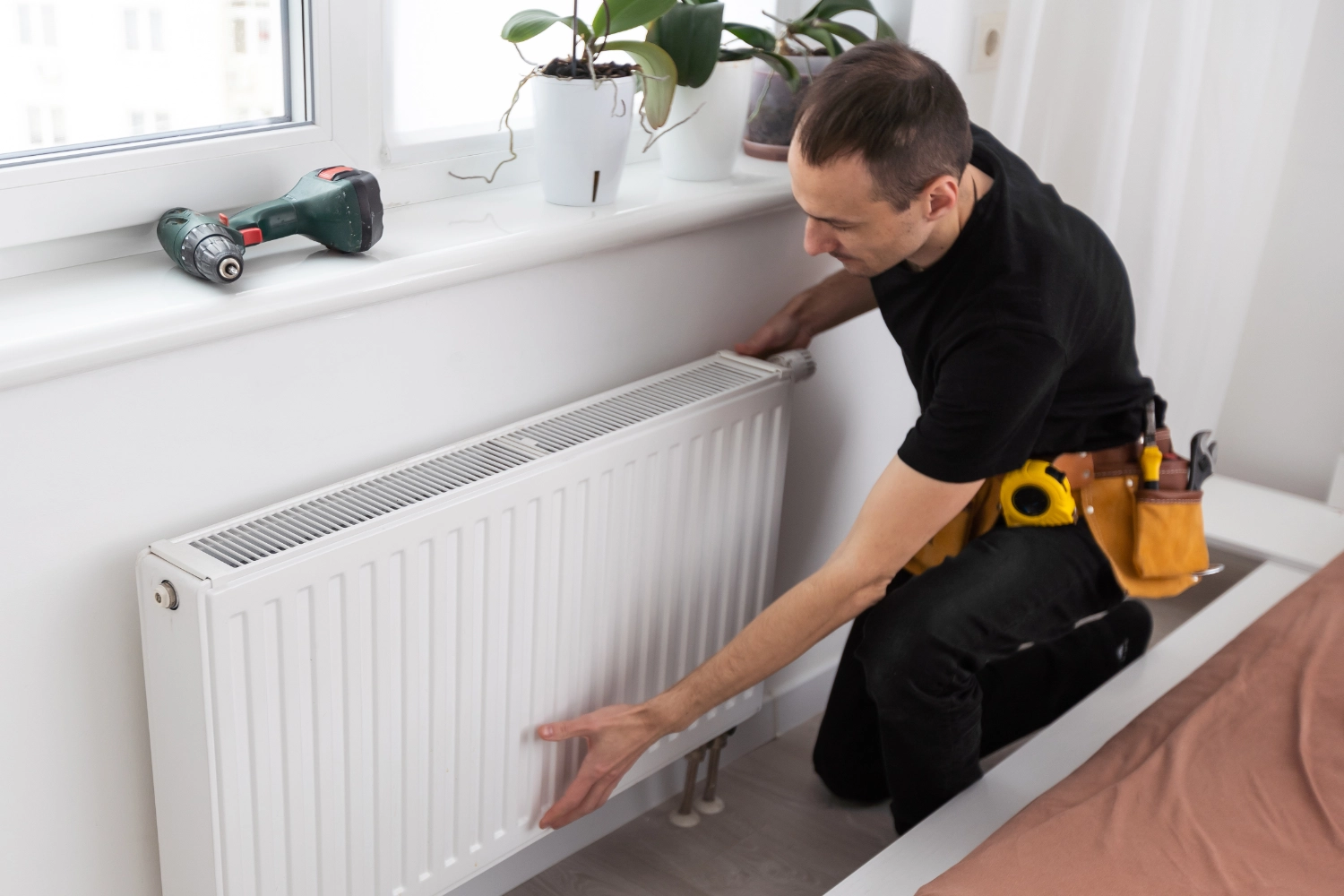
Mains rechauffees pres d'un radiateur basse temperature, confort thermique

Installers: secure your projects.

Your priority: reduce uncertainty, avoid call‑backs and deliver the expected performance.

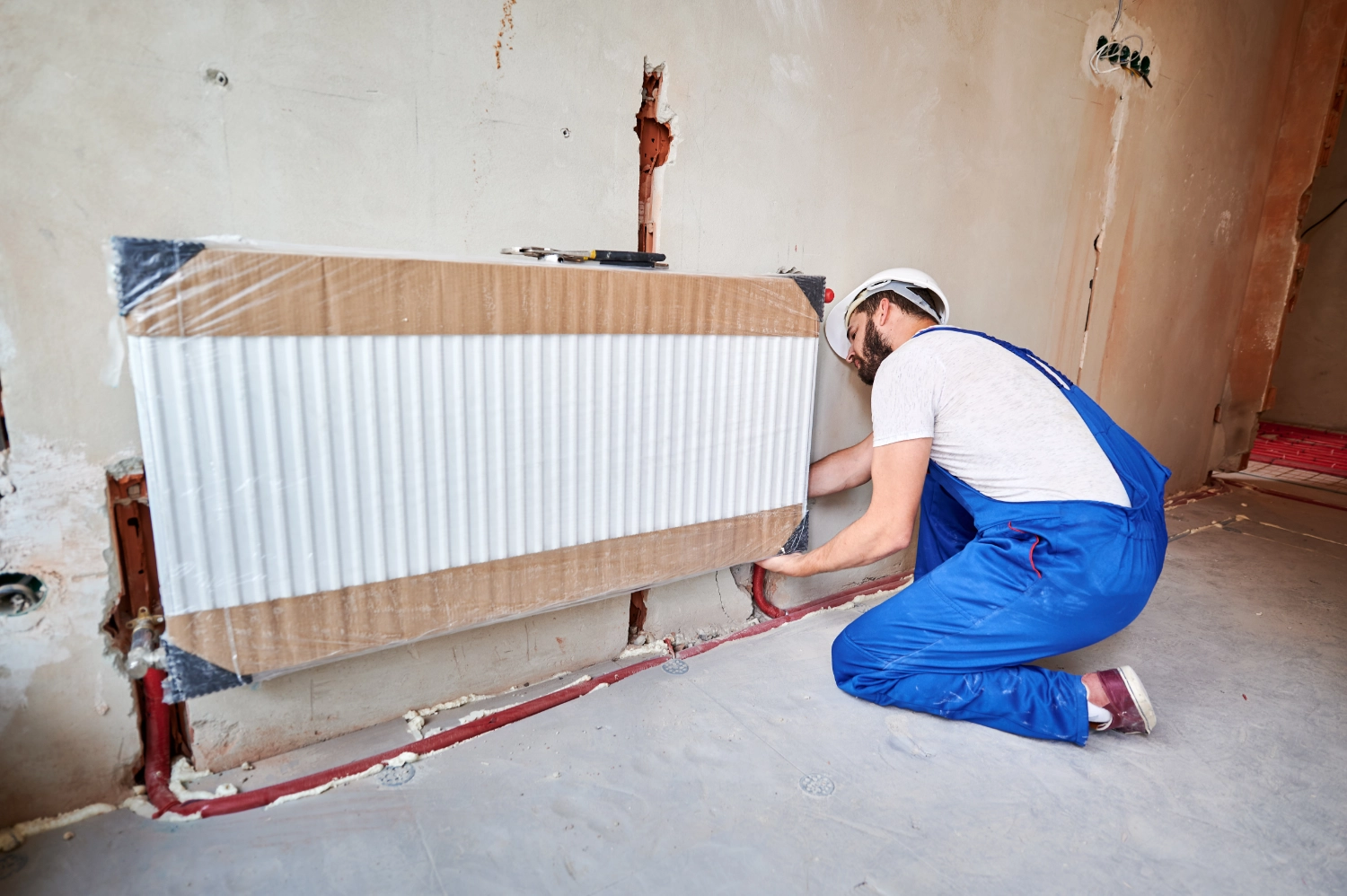
Chantier de renovation et verification d'un radiateur

Key checks to include

  • xReview existing radiators (condition, output, suitability).
  • xSize for low‑temperature operation (not boiler‑era temperatures).
  • xConsider the complete system — generator and emitters.

What these checks help you avoid

  • !Extra site visits and adjustments.
  • !Customer comfort concerns.
  • !Performance falling short of expectations.

Best‑practice approach

  • Check existing radiators.
  • Size for low‑temperature operation.
  • Adapt, optimise or replace where needed.
Good sizing supports fewer call‑backs and more satisfied customers.

Reliable data, verified performance, easy integration.

Recommended articles

Installing a heat pump while keeping existing radiators: what should you check? Existing radiators: 3 questions to help decide whether changes are needed How to explain to a client when radiator upgrades may be recommended
 

Engineering offices: take a fresh look at emitters.

Design choices often rely on familiar, standard solutions.

Plans d'architecture et conception technique pour prescription

Radiators can also be a strong option when specified with the full system in mind :

  • Flexibility of integration.
  • Room‑by‑room control.
  • Solutions aligned with building use and comfort expectations.
 

A practical option to consider when optimising specifications.

Designing a high‑performing system means thinking end‑to‑end: generator + emitters.

Données fiables, performances vérifiées, intégration facilitée.

Recommended articles

Radiators in new homes: what if we reconsidered them? Low‑temperature radiators: an underestimated option in new builds

Reliable data for confident decisions

Certified radiators help teams to :

  • Rely on verified performance.
  • Size with precision using ΔT 30 data.
  • Support robust design choices and reduce the risk of under‑ or oversizing.
  • Strengthen tender files and compliance documentation with trusted, comparable product data.
Annuaire de produits certifies et donnees de performance Eurovent Certita Certification

In addition :

Sustainability services and environmental data (such as EPDs/LCAs) help provide clearer, more comparable information across Europe..

Example outcome

When a heat pump is installed without reassessing radiators, the first heating season can reveal :

Before adaptation

  • xComfort issues.
  • xHigher energy use than expected.
  • xThe need for follow‑up adjustments.

After adaptation

  • Comfort restored.
  • Performance optimised.
  • Satisfied end user.

Key Takeaways : Think system‑wide — and you secure results.

  • A heat pump alone doesn’t define performance.
  • Radiators shape comfort and real‑world efficiency.
  • Correct sizing is essential.

Starting a project ? Build confidence into the system

Check your radiators Size for low‑temperature operation Use verified performance data

Reliable data, verified performance, easy integration.